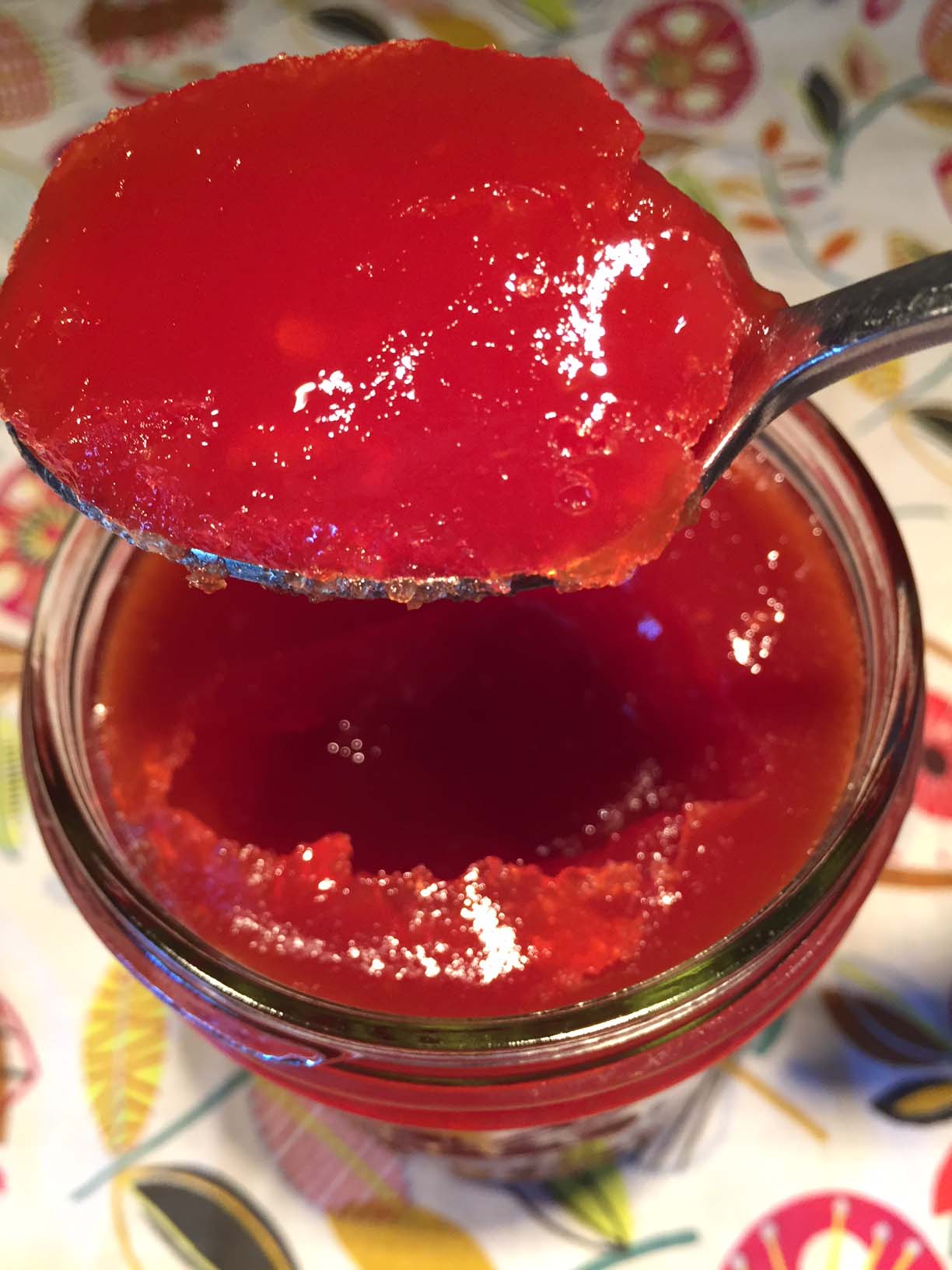
As the long, sun-drenched days of summer begin to gently fade, many of us find ourselves with an abundance of nature's sweetest bounty. For some, it's a garden overflowing with ripe melons; for others, it's the aftermath of a festive BBQ where a giant watermelon was perhaps a little too ambitious. Whatever the reason, that pile of leftover watermelon doesn't have to go to waste. Instead, imagine transforming its vibrant juiciness into a luscious spread that captures the very essence of summer in a jar. We're talking about homemade watermelon jam – a surprisingly simple and utterly delicious way to preserve those sweet, refreshing flavors for months to come.
Far from being just another fruit preserve, homemade watermelon jam offers a unique taste experience. It's lightly sweet, wonderfully refreshing, and boasts a unique fruity depth that's perfectly complemented by a hint of warm cinnamon spice and a touch of bright lemon. It’s like a sunny summer treat with a subtle, cozy fall twist, making it versatile enough to brighten any breakfast table or elevate your favorite desserts. If you've never considered making jam from watermelon, prepare to be delighted by this easy, pectin-free recipe that requires just a few basic ingredients and a little bit of patience.
Why Homemade Watermelon Jam is Your Next Summer Project
The idea of making jam might seem daunting, especially if you're picturing complicated steps involving pectin and specific canning equipment. But fret not! This recipe for homemade watermelon jam is remarkably straightforward and skips the pectin entirely, relying instead on the natural sugars and a bit of cooking time to achieve that perfect, spreadable consistency. Here’s why it’s a must-try:
- Uses Up Excess Watermelon: If you've grown your own watermelons (they're surprisingly easy to cultivate, even in containers, yielding 3-4 fruits per plant!) or just have too much after a party, this jam is an ingenious solution. It’s an efficient and delightful way to prevent food waste.
- Uniquely Delicious Flavor: Unlike traditional berry jams, watermelon jam offers a lighter, more delicate sweetness. The addition of lemon not only helps with thickening and preservation but also provides a zesty tang that brightens the watermelon's natural sugars. And that touch of cinnamon? It adds an unexpected aromatic warmth that transforms the jam from merely fruity to something truly special, making this homemade watermelon jam truly stand out.
- Simple Ingredients, No Pectin Needed: You likely have most of the ingredients already: fresh watermelon, sugar, lemon (juice and zest!), and cinnamon. The magic happens through reduction, not added gelling agents, simplifying the process significantly.
- The Joy of Homemade: There's immense satisfaction in creating something delicious from scratch. Plus, homemade jam makes for thoughtful, cherished gifts that friends and family will adore.
The Magic Behind the Flavor: Simple Ingredients, Amazing Taste
At its heart, this homemade watermelon jam recipe is about letting the natural flavors shine, enhanced by a few key additions. The beauty lies in its simplicity, proving that you don't need a long list of exotic ingredients to create something truly memorable. Here's a closer look at what goes into this sweet summer spread:
- Fresh Watermelon Juice: This is, of course, the star. Watermelon is approximately 92% water, making it incredibly easy to juice. Its natural sweetness and vibrant color are the foundation of our jam. The key is to select ripe, juicy watermelons for the best flavor.
- Granulated Sugar: Beyond providing sweetness, sugar plays a crucial role in preservation and contributes to the jam's texture. It helps the jam thicken and gives it that glossy, appealing finish.
- Lemon (Juice and Zest): Lemon is a jam-maker's best friend. The acid in lemon juice helps to activate the natural pectin present in the fruit (even in low-pectin fruits like watermelon, a little acid goes a long way in aiding setting). It also provides a vital counterpoint to the watermelon's sweetness, adding a bright, tangy freshness that elevates the overall flavor profile. Using both the juice and a bit of zest from the lemon can infuse an even deeper, aromatic citrus note.
- Cinnamon: This is where our homemade watermelon jam truly distinguishes itself. A hint of cinnamon powder adds a warm, subtle spice that beautifully complements the refreshing watermelon. It’s an unexpected twist that bridges summer's sweetness with a cozy, comforting aroma, making the jam feel both familiar and exciting. For an even more complex aromatic profile, some recipes also call for a touch of vanilla extract, which adds a subtle, creamy warmth that rounds out the flavors wonderfully. For more on how spices can transform your preserves, check out Sweet Watermelon Jam: Capture Summer's Flavor with Spice.
Crafting Your Own Homemade Watermelon Jam: A Step-by-Step Guide
Making this jam is less about complex techniques and more about patience and allowing the ingredients to transform. Here’s how you can capture the essence of summer in a jar:
Preparing Your Watermelon Juice
The first step is to transform your whole watermelon into pure, vibrant juice. This is surprisingly simple:
- Seed Removal: Start by cutting your watermelon into manageable chunks and carefully removing as many seeds as possible. While a few tiny seeds might slip through, aim to get rid of the majority to ensure a smooth jam.
- Blend it Up: Place the watermelon chunks into a blender or food processor. Blend until completely smooth and liquid. There's no need to add water – the watermelon provides all the liquid you need.
- Strain (Optional but Recommended): For an ultra-smooth jam, you can strain the juice through a fine-mesh sieve or cheesecloth to remove any remaining pulp or seed fragments. This step ensures a silky-smooth consistency for your finished homemade watermelon jam.
- Measure Your Juice: The reference recipe suggests 16 cups of juice, but feel free to scale down if you have less watermelon. The beauty of this recipe is its adaptability.
The Cooking Process
Now, it’s time for the magic to happen in your pot:
- Combine Ingredients: Pour your watermelon juice into a large, heavy-bottomed pot or Dutch oven. Add the sugar, lemon juice, lemon zest (if using), and cinnamon. Stir everything together until the sugar begins to dissolve.
- Bring to a Boil: Place the pot over high heat and bring the mixture to a rolling boil, stirring occasionally to prevent sticking.
- Simmer and Reduce: Once boiling, reduce the heat to medium-low. The goal is to maintain a gentle simmer. Stir the jam every 15 minutes or so to ensure even cooking and prevent it from scorching at the bottom. As it simmers, you might notice foam forming on the surface; skim this off with a spoon as needed for a clearer jam.
- Thicken Over Time: This is the most crucial part. The jam needs to boil and reduce for approximately 2-3 hours (sometimes up to 3 hours, as noted in the reference) to thicken into that perfect spreadable consistency. Keep an eye on it, especially during the last hour, as it can thicken quickly. The jam is ready when it coats the back of a spoon, or when a small dollop placed on a chilled plate wrinkles when pushed with a finger.
Jarring and Storing Your Jam
Once your homemade watermelon jam has reached its ideal thickness, it’s time to store your liquid sunshine:
- Prepare Jars: Ensure your mason jars and lids are clean and sterilized. You can sterilize them by boiling them in water or running them through a hot dishwasher cycle.
- Fill Jars: Carefully ladle the hot jam into the prepared jars, leaving about 1/4 inch of headspace. Wipe the rims clean to ensure a good seal.
- Cool and Store: Let the jars sit for about 5 minutes before sealing with the lids. Allow them to cool completely at room temperature. Once cooled, store your homemade watermelon jam in the refrigerator for up to 2-3 weeks. For longer preservation, consider a proper canning process, which involves processing the filled jars in a boiling water bath.
Creative Ways to Enjoy Your Watermelon Jam
While smearing your homemade watermelon jam on a warm piece of toast, a homemade scone, or an English muffin for breakfast is an absolute delight (truly, there’s nothing like the taste of sweet summer for breakfast!), don't limit its potential. This unique jam can elevate a variety of dishes:
- Breakfast & Brunch: Beyond toast and muffins, swirl it into plain yogurt, top your oatmeal or pancakes, or use it as a filling for crepes.
- Desserts: Spoon it over vanilla ice cream, use it as a topping for cheesecake or panna cotta, or incorporate it into thumbprint cookies. Its bright flavor makes it a fantastic pairing for rich desserts.
- Savory Pairings: Don't be afraid to get creative! A dollop of watermelon jam can be a surprising and delicious accompaniment to a cheese board, especially with soft, creamy cheeses. It can also be warmed and used as a glaze for pork or chicken, adding a sweet and tangy element.
- Gifts: Packaged in pretty jars with a simple ribbon, your homemade watermelon jam makes a thoughtful and personal gift that truly shares the bounty and flavors of summer.
Making your own homemade watermelon jam is more than just a recipe; it's an experience. It’s about transforming a simple fruit into something extraordinary, preserving the fleeting joy of summer, and sharing a taste of that sunshine with loved ones. So, the next time you find yourself with an abundance of watermelon, grab your pot and prepare to make some magic. You’ll be rewarded with a uniquely flavorful, sweetly spiced spread that’s ready to brighten any day, long after the summer sun has set.
